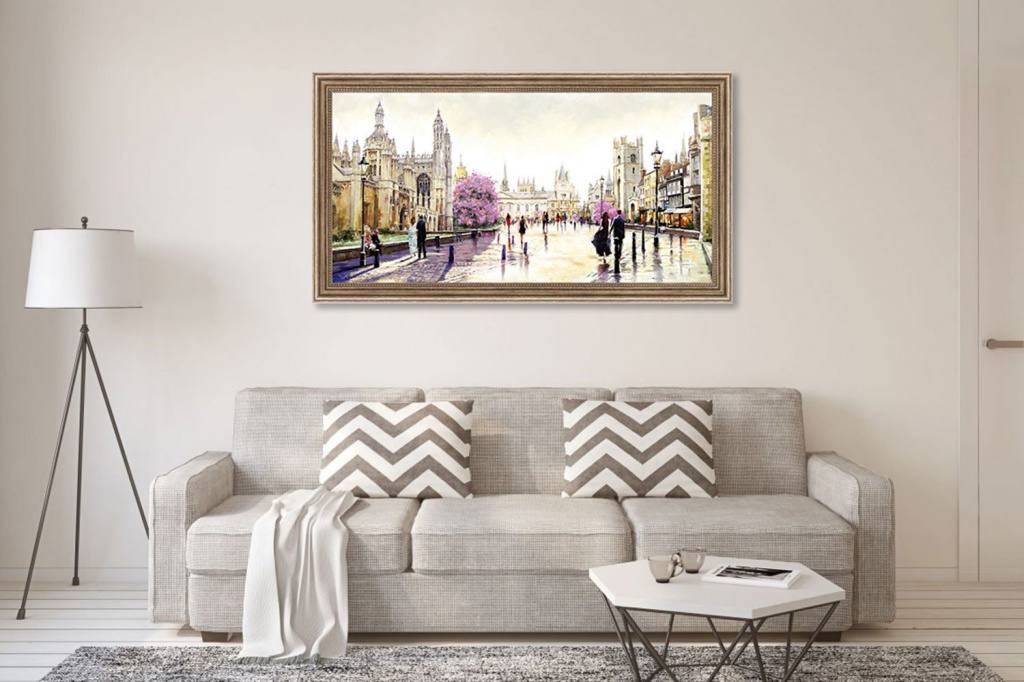
Designing a beautiful and inviting interior takes more than just good furniture and matching colors. Subtle mistakes in layout, lighting, or styling can leave a space feeling bland, flat, or uninspired. Whether you’re decorating a new home or refreshing an existing one, here are 8 common interior design mistakes to avoid—and what to do instead.
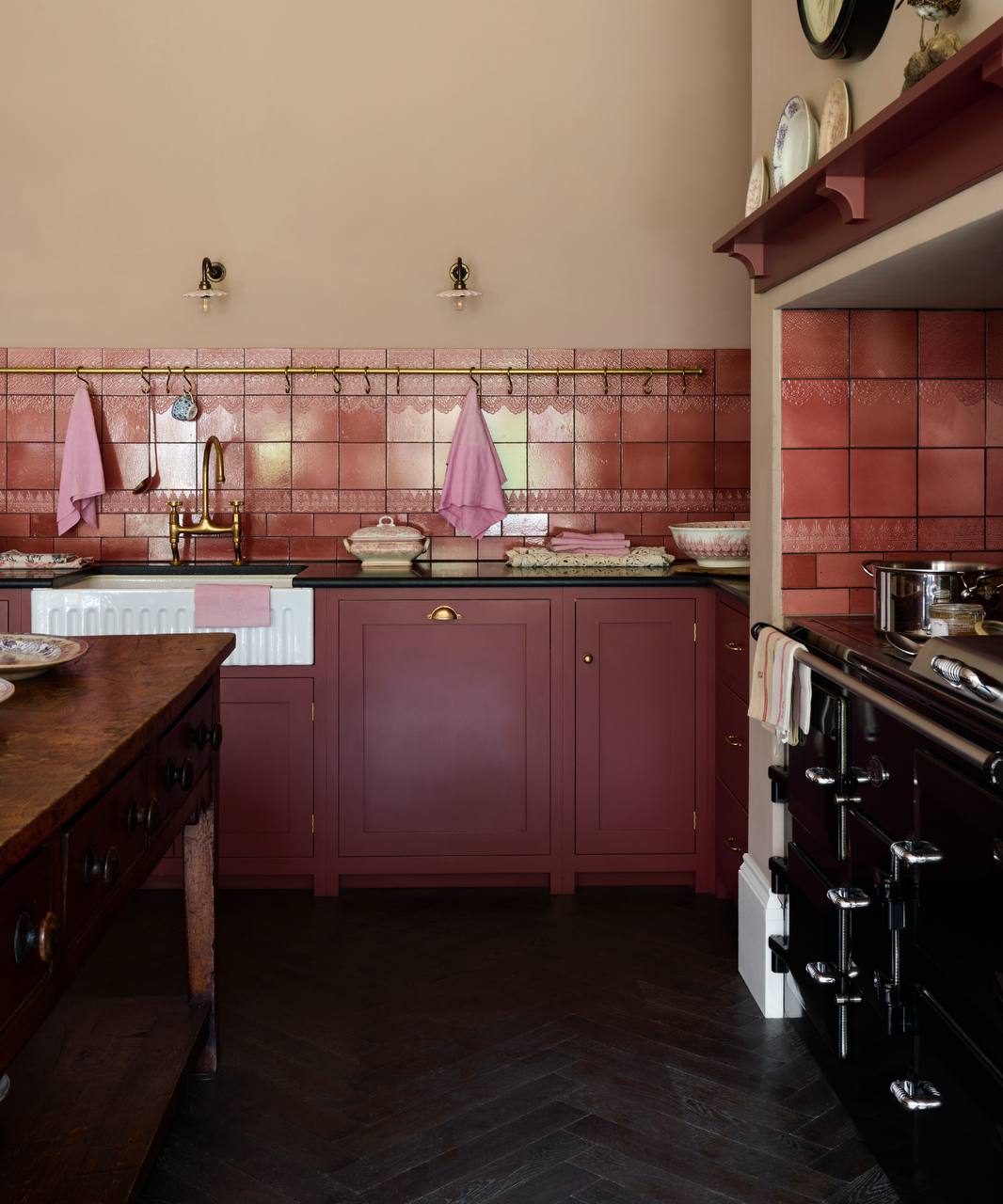
1. Overusing the Same Colors and Textures
Relying too heavily on neutral tones or repeating the same materials throughout a space can make your home feel flat and lifeless. While neutrals are versatile, a lack of variation limits visual interest.
Design tip: Layer different textures (like wood, linen, or metal) and introduce subtle color shifts to create depth. Mix matte and glossy finishes or combine warm and cool tones to give your interior richness and dimension.
2. Forgetting Unique Decor Pieces
A space without personal touches can come off as cold or generic—even if it’s stylish. If everything looks straight out of a catalog, the room lacks soul.
Design tip: Incorporate a few curated items that reflect your personality or story—artwork, vintage finds, travel souvenirs, or handcrafted pieces. These accents give character and make a space feel truly yours.
3. Playing It Too Safe
Designing by the book can lead to predictable results. When every choice feels “safe,” the space may lack energy or creativity.
Design tip: Take calculated risks—use bold paint, mix furniture styles, or introduce an eye-catching focal point. One daring element can elevate the entire space.
4. Ignoring Contrast
A room without contrast can look flat and monotonous. When everything blends too seamlessly, it lacks visual hierarchy and excitement.
Design tip: Use contrasts in color (light vs dark), shape (soft vs angular), and finish (rough vs smooth) to create balance and draw the eye around the room.
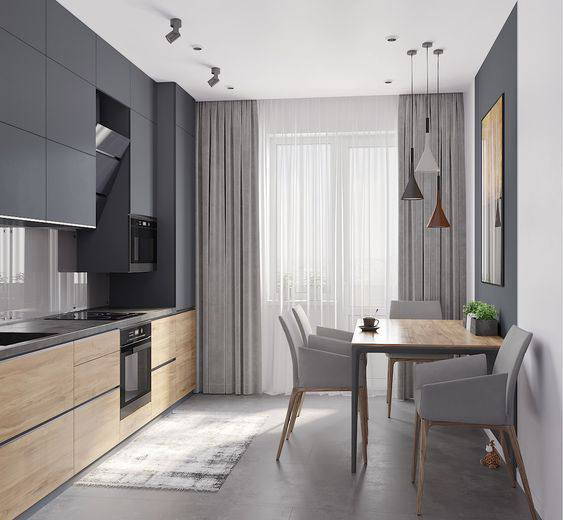
5. Poor Sense of Scale and Proportion
Furniture that’s too large or too small for a space can throw off the entire room. Proportion is key to a harmonious layout.
Design tip: Always measure before purchasing. Leave enough breathing space around furniture and mix items of various sizes to create balance. A tall floor lamp next to a low armchair, for example, adds visual rhythm.
6. Taking Minimalism Too Far
Minimalist interiors can feel clean and serene, but overdoing it can result in a cold, lifeless environment.
Design tip: Warm up minimalist rooms with cozy elements like textured rugs, soft throws, or natural wood finishes. Layered lighting also adds comfort without clutter.
7. Not Maximizing Natural Light
Dark, gloomy rooms can feel depressing—especially if window coverage blocks sunlight or finishes absorb too much light.
Design tip: Use mirrors to reflect light and keep window treatments light and airy. Choose pale walls, reflective surfaces, and glass or metallic accents to brighten up dark corners.
8. Skipping Greenery
Plants bring life into a space—literally. An interior without any greenery can feel sterile and one-dimensional.
Design tip: Even one or two indoor plants can soften the environment. Try low-maintenance options like pothos, fiddle leaf figs, or snake plants. Bonus: they purify the air and boost mood.
Final Thoughts
Avoiding these interior design mistakes can dramatically improve the comfort, style, and mood of your home. Whether you’re aiming for a cozy retreat or a stylish showpiece, thoughtful design choices—and a few personal touches—can make all the difference.